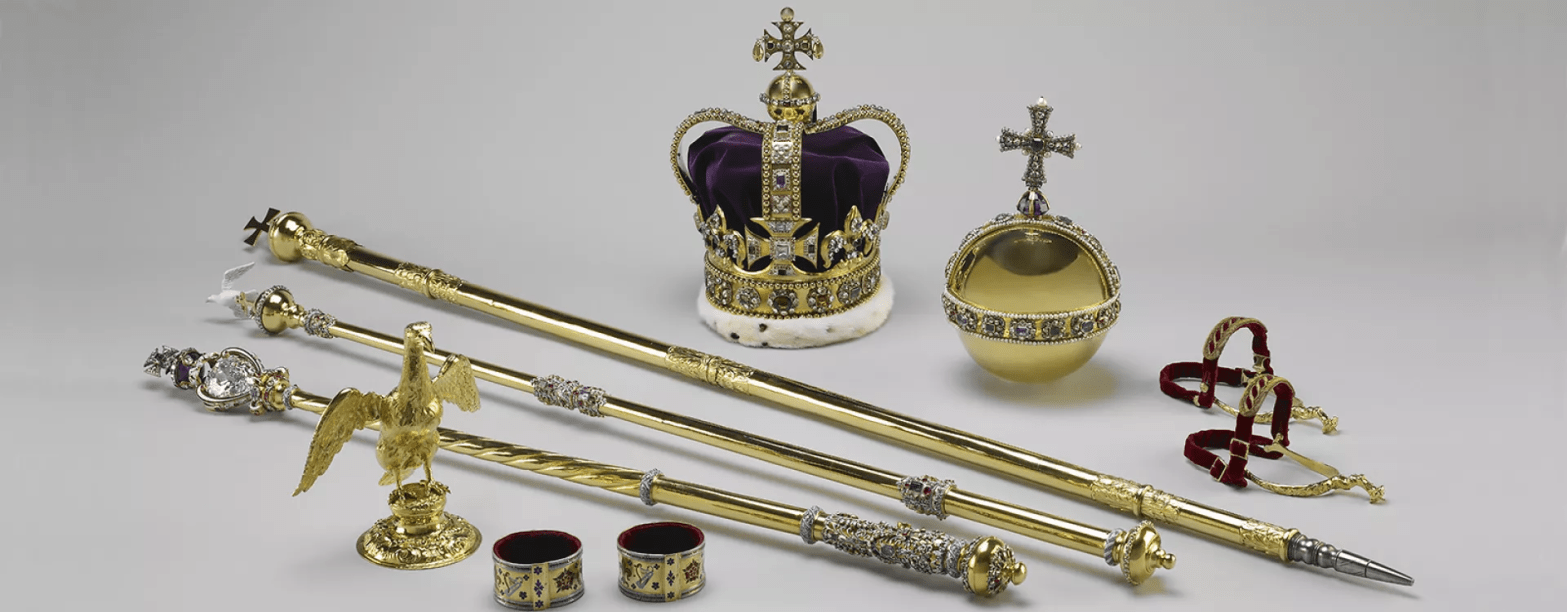
The phrase “crown jewels” is often used to describe the most valuable part of something. (No anatomically-oriented comments from those in the back, please.) For my purposes, the metaphor helps think about a business’s strategic assets and capabilities – those that can sustain a differentiated position for your firm over time.
There’s a lot to consider under this heading, including:
- How do you know what your Crown Jewels are, or could be?
- What makes them so valuable, and what could compromise their value?
- How do you define them and create space for them in your organization, distinguishing them from non-strategic assets and capabilities?
- How are they reflected in your brand positioning?
- How do you preserve and protect them?
- How do you grow them, increasing their value?
- How do you evolve them over time, and even introduce entirely new ones to your organization, as needed?
In my experience, leaders don’t spend enough time explicitly and transparently answering these questions. This creates unnecessary business risk, from both a competitive and cultural standpoint. In many cases, this situation originates during the transition from a founding group of entrepreneurs – with a distinct set of skills and perspective on a commercial opportunity – to a scaling organization, succession in leadership, and the development of dedicated functional groups.
Sometimes, strategic assets and capabilities are “hard” – like a patent or a better manufacturing process. If you can create these, they are certainly valuable, at least in the short term. But they are difficult to protect, especially in our 21st century technology environment.
More often, I see statements from leaders who declare “Our people are our most important asset.” And that may be true, but that requires digging into a set of softer issues, like talent development, retention, engagement, incentives, variable compensation, succession planning, DEI, insourcing, outsourcing, etc. Some organizations push these opportunities and challenges into the realm of the Human Resources department, but they are ultimately a business issue, and need to be addressed from an executive perspective.
There is tremendous leadership leverage in aligning around the answers to the Crown Jewel questions above. That’s why the Strategic Assets and Capabilities topic is such an important component of my Corporate Narrative framework.
I’ll dig into a few of the specific questions in upcoming posts. In the meantime, I’d appreciate you sharing ideas for effective management of a business’s crown jewels.
 Strategy, Creativity, and Leadership